
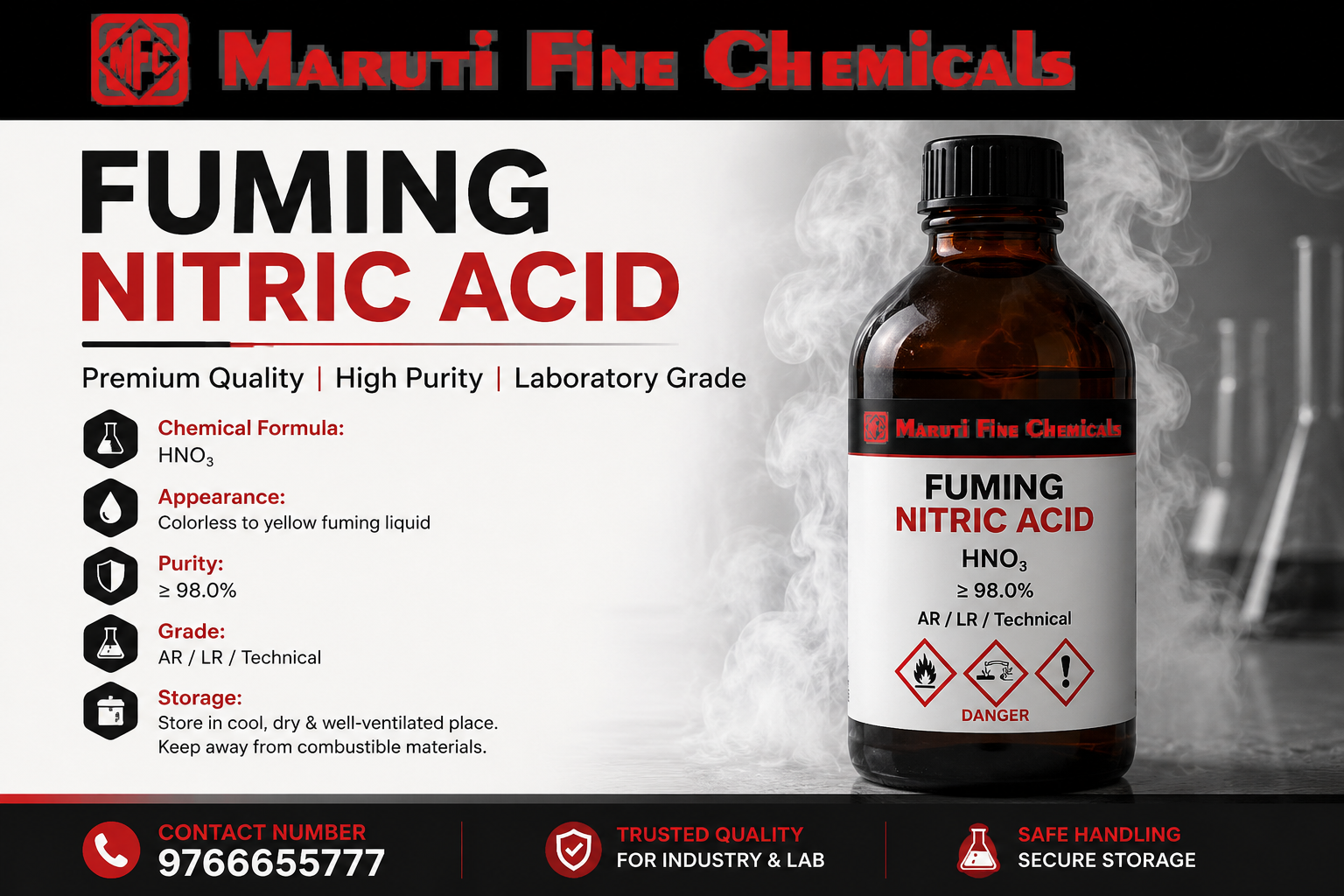
Handling strong industrial chemicals requires advanced safety measures, especially in industries dealing with highly reactive substances like fuming nitric acid. Modern Nitric Acid manufacturing plants are now using smart safety systems to improve operational control, reduce risks, and protect workers as well as the environment. From automated monitoring to emergency shutdown systems, technology is playing a major role in making chemical manufacturing safer and more efficient..
Why Safety Is Critical in Fuming Nitric Acid Production
Fuming nitric acid is a highly corrosive and oxidizing chemical widely used in industries such as pharmaceuticals, explosives, dyes, fertilizers, and specialty chemicals. During Nitric Acid manufacturing, the production process involves high temperatures, chemical reactions, and hazardous fumes. Even a small operational mistake can lead to serious safety concerns.Traditional safety methods are no longer enough for modern chemical industries
Role of Automation in Chemical Safety
Automation has become one of the most important parts of modern chemical plants. In advanced Nitric Acid manufacturing facilities, automated systems continuously monitor the entire process without relying only on manual supervision.
These systems use sensors and digital controllers to track:
- Temperature levels
- Pressure changes
- Chemical flow rates
- Tank conditions
- Emission levels
If any abnormal condition is detected, the system sends alerts immediately or automatically shuts down the affected process. This reduces the possibility of human error and improves plant safety.
Smart Gas Leak Detection Systems
One of the biggest risks in chemical plants is toxic gas leakage. Fuming nitric acid production can release harmful nitrogen oxide gases if systems are not properly controlled. Smart gas detection systems are designed to identify leaks instantly.
Modern detectors can:
- Monitor air quality continuously
- Detect toxic gases at very low levels
- Trigger emergency alarms
- Activate ventilation systems automatically
In many modern Acid manufacturing units, wireless gas detection systems are connected to centralized control rooms. This allows safety teams to respond quickly and prevent large-scale accidents.
These smart technologies also help maintain a healthier working environment for plant employees.
Advanced Temperature and Pressure Monitoring
Temperature and pressure control are extremely important in chemical processing plants. During the production of fuming nitric acid, sudden pressure changes or overheating can damage equipment and create dangerous situations.
Smart monitoring systems use digital sensors and AI-supported controls to maintain stable operating conditions. These systems provide:
- Real-time pressure readings
- Automatic cooling control
- Early warning notifications
- Predictive maintenance alerts
By using advanced monitoring tools, industries involved in Nitric Acid manufacturing can reduce equipment failure and improve overall operational safety.
Emergency Shutdown Systems
Emergency shutdown systems are one of the most important safety features in chemical manufacturing plants. These systems are designed to stop operations automatically if dangerous conditions are detected.
For example, if a reactor temperature rises beyond the safe limit or a major leak occurs, the shutdown system can:
- Stop chemical flow
- Isolate affected sections
- Shut down machinery
- Activate emergency cooling
Use of IoT in Industrial Safety
The Internet of Things (IoT) is changing the way chemical plants operate. IoT-based devices collect and share data continuously between machines, sensors, and control systems.
In smart Nitric Acid manufacturing plants, IoT technology helps in:
- Remote monitoring of equipment
- Real-time safety tracking
- Predictive maintenance
- Automated reporting
- Faster fault detection
Plant managers can access live production and safety information from control rooms or secure digital platforms. This improves decision-making and helps prevent unexpected breakdowns.
IoT systems also reduce maintenance costs by identifying potential problems before they become serious.
AI-Based Predictive Safety Systems
Artificial Intelligence is becoming a valuable tool in industrial safety management. AI-based systems analyze large amounts of operational data and identify patterns that may lead to equipment failure or safety risks.
In chemical industries, AI can:
- Predict machinery breakdowns
- Detect unusual operational behavior
- Recommend preventive actions
- Improve maintenance scheduling
Smart AI systems improve plant reliability and reduce unplanned shutdowns. Industries adopting AI-supported safety systems are seeing better efficiency and improved worker protection.
Smart Fire Protection Systems
Fuming nitric acid plants require strong fire protection systems because of the highly reactive nature of chemicals involved. Smart fire safety systems are designed to respond quickly and reduce fire-related risks.
Modern fire protection systems include:
- Heat and smoke sensors
- Automated sprinkler systems
- Fire-resistant storage areas
- Emergency response alarms
- Remote monitoring systems
Importance of Corrosion-Resistant Equipment
Fuming nitric acid is highly corrosive, which means storage tanks, pipelines, and processing units must be built using specialized materials. Corrosion-resistant equipment helps prevent leakage, equipment damage, and contamination.
Common materials used include:
- Stainless steel
- Titanium alloys
- Special coated metals
Regular inspection systems are also used to monitor equipment condition and detect corrosion at an early stage. This improves equipment life and reduces safety risks.
Worker Safety and Smart Protective Systems
Worker safety remains one of the top priorities in chemical industries. Along with automated systems, employees are trained to follow strict safety procedures during plant operations.
Modern safety measures include:
- Smart helmets with communication systems
- Gas detection wearables
- Digital safety training modules
- Automated attendance tracking in hazardous zones
Environmental Safety Measures
Environmental protection is equally important in chemical production. Smart environmental safety systems help reduce harmful emissions and control waste management.
Advanced pollution control technologies include:
- NOx scrubbers
- Emission monitoring systems
- Waste acid recovery units
- Automated wastewater treatment systems
Digital Control Rooms and Centralized Monitoring
Many modern plants now use digital control rooms for complete operational supervision. These control rooms collect data from every part of the manufacturing facility and display it in real time.
Operators can monitor:
- Chemical reactions
- Storage tank levels
- Pipeline pressure
- Gas emissions
- Emergency systems
Centralized monitoring improves response speed and helps plant operators manage safety more effectively.
Digital dashboards also allow better production planning and operational efficiency.
Future of Smart Safety in Chemical Industries
The future of chemical manufacturing is becoming more technology-driven. Smart factories using AI, automation, robotics, and real-time monitoring are expected to become more common in the coming years.
Future safety innovations may include:
- Fully automated chemical handling
- AI-powered emergency response systems
- Drone-based plant inspections
- Robotic maintenance systems
- Digital twin technology for process simulation
Companies like Maruti Fine Chemicals are witnessing how technology is reshaping industrial safety standards and improving modern production practices.
How Smart Safety Systems Improve Business Performance
Smart safety systems not only protect workers and equipment but also improve overall business performance. Safe operations reduce downtime, increase productivity, and lower maintenance costs.
Benefits include:
- Reduced accident risks
- Better production efficiency
- Lower repair expenses
- Improved product quality
- Stronger industry reputation
Modern industries understand that investing in safety technology is a long-term business advantage.
FAQs
- What is fuming nitric acid used for?
Fuming nitric acid is used in explosives, pharmaceuticals, dyes, fertilizers, metal processing, and specialty chemical manufacturing industries.
- Why are smart safety systems important in chemical plants?
Smart safety systems help detect risks early, prevent accidents, improve worker safety, and maintain smooth plant operations.
- How does automation improve chemical manufacturing safety?
Automation reduces human error by monitoring temperature, pressure, gas leakage, and chemical flow continuously.
- What role does IoT play in industrial safety?
IoT devices provide real-time monitoring, predictive maintenance, and faster fault detection in chemical plants.
- Why is corrosion-resistant equipment necessary?
Fuming nitric acid is highly corrosive, so special materials are required to prevent leakage and equipment damage.
Conclusion
Smart safety systems are transforming modern chemical industries by improving operational control, worker protection, and environmental safety. Advanced technologies such as automation, IoT monitoring, AI-based analytics, and emergency shutdown systems are helping industries create safer and more efficient production environments.
Modern Nitric Acid manufacturing facilities now depend heavily on smart technologies to ensure better safety performance and long-term sustainability.
With growing focus on industrial innovation, manufacturers like Maruti Fine Chemicals continue to recognize the importance of advanced safety systems in maintaining high-quality and secure chemical production processes.